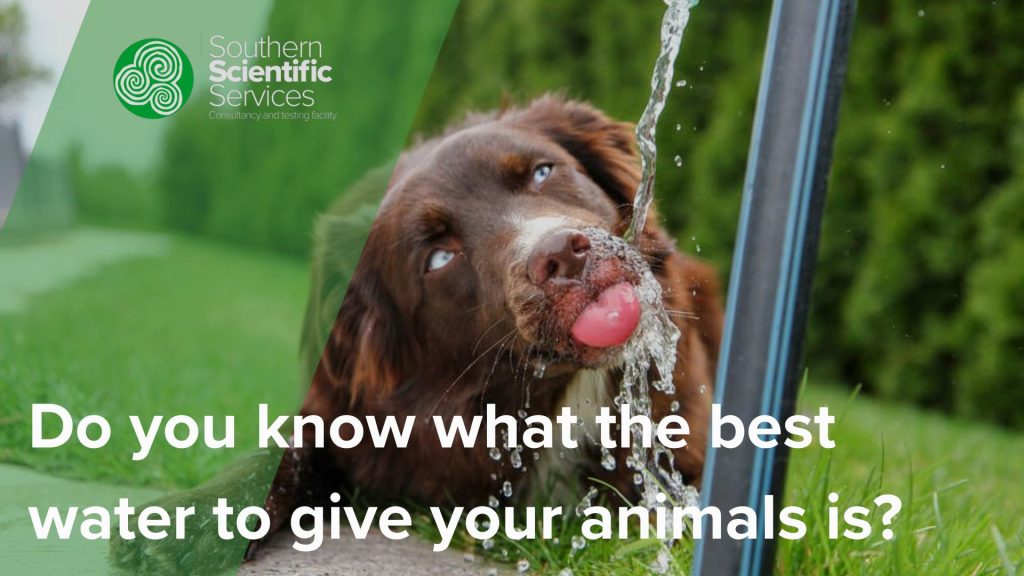
In this article, learn how water quality impacts your animal’s health and what drinking water for your animals is best.
As pet owners, ensuring the well-being of our animals is a top priority. But we often don’t think too much about the water we provide for them. Our pet’s drinking water is an important aspect of their health, and it’s worth carefully monitoring this to prevent any issues.
Table of Contents
Considerations When Choosing Drinking Water for Your Animals
Water is vital for maintaining proper bodily functions in animals, just as it is for humans. It plays a crucial role in digestion, temperature regulation, and hydration. To ensure they stay healthy, it’s essential to consider the quality of the drinking water for your animals. Below are some important factors to consider:
Source of Water: The source of water matters significantly. It’s essential to understand the potential contaminants and risks associated with each source. For example, well water may be more prone to contamination compared to municipal water, particularly if it’s near sources of pollution like septic systems or farms. This is an important consideration for dogs and cats, who can be as affected by contaminants as the humans.
Contaminant Levels: It can be very useful to test water for contaminants such as bacteria, heavy metals, nitrates, and chemical pollutants. High levels of these substances can be harmful to animals, potentially leading to illnesses or digestive issues.
Mineral Content: The mineral content in the water for your animals is another important factor. Different animal species have different requirements for minerals like calcium and magnesium. For instance, high mineral content in water could help support strong bones and teeth in some animals but may cause urinary problems in others.
pH Levels: The pH of the water can impact its taste and digestibility. Water that is too acidic or alkaline may upset your pet’s stomach or cause issues with nutrient absorption. Ensuring that the pH level is within a suitable range for your pet will help them stay hydrated and healthy.
What is the Best Drinking Water for Your Animals?
Tap water is a common and accessible choice for pet owners. This water source generally has several benefits, but it’s important to consider certain factors before giving it to your pets.
Benefits
Cost-Effective: Tap water is often free or very low-cost, making it an economical choice for pet owners.
Quality Oversight: Municipal tap water is regulated. Local authorities monitor it to meet safety standards and minimise harmful bacteria and contaminants.
Environmental Impact: Choosing tap water helps reduce plastic waste associated with bottled water.
Considerations
Water Quality: Tap water quality can vary depending on location and plumbing. It may contain impurities or be improperly treated, leading to gastrointestinal distress or other health problems for dogs, cats, and other pets.
Hard Water: Tap water can be “hard” (high in calcium and magnesium), which may increase the risk of urinary tract infections and urinary crystals in pets, particularly for dogs and cats. Regularly check your water’s hardness with a testing kit to gauge its safety for your pets.
Filtered water is an excellent option for providing clean and safe water for your animals. Filters can remove a wide range of contaminants, improving the water’s safety and taste.
Benefits
Removal of Contaminants: Effective filtration systems can remove harmful substances like chlorine, bacteria, heavy metals, and pesticides.
Improved Taste: Filtered water tastes better, encouraging pets to drink more. This is especially important in hot weather when dehydration risks are higher.
Healthier Pets: Clean, filtered water reduces the risk of waterborne diseases and helps maintain your pets’ overall health. It is a particularly useful safeguard for cats prone to urinary issues.
Bottled water is safe to offer your pets, but it may not be the most economical or environmentally friendly option.
Benefits
Consistency: Bottled water generally has a consistent taste and quality, making it a reliable choice for pets who may be picky drinkers.
Contaminant-Free: Bottled water is regularly tested for contaminants, so it’s typically a safe option.
Mineral Profiles: Some bottled waters are specifically designed with certain mineral profiles, which may be beneficial for certain animals’ health.
Considerations
Environmental Impact: Bottled water creates plastic waste, which has a negative environmental impact.
Microplastic Contamination: There are concerns about the presence of microplastics in bottled water. They can accumulate over time in your pet’s body.
Cost: Bottled water can be expensive, particularly for large dogs or those that need a high volume of water.
Can dogs and cats drink well water? In most cases, yes. The same rule applies to your pets as it does to you: if your well water is safe for you to drink, it’s generally safe for your dogs and cats too.
Benefits
Natural Source: Well water is typically free from added chemicals like chlorine, which can be beneficial for your pets’ health.
Readily Available: Convenient if you already have a well on your property, whether you’re watering a family dog, an outdoor cat, or animals on a working farm.
Considerations
Contamination Risk: Well water is more vulnerable to contamination than treated municipal supplies, particularly from nearby septic systems, agricultural runoff, or ageing well infrastructure. Bacteria such as E. coli and parasites like Giardia and Cryptosporidium can cause vomiting, diarrhoea, and dehydration in dogs and cats. Puppies, kittens, and older or immunocompromised animals will be at greatest risk.
Nitrates: Well water near farmland is especially prone to nitrate contamination from fertiliser or slurry run-off. While dogs and cats can tolerate moderate levels better than infants can, high nitrate levels are still best avoided, particularly for pregnant or nursing animals.
Hard Water and Minerals: Well water often carries higher mineral content than treated tap water. As with tap water, this can contribute to urinary tract issues in dogs and cats, especially in male cats prone to crystal formation.
Maintenance: Because well water quality can change over time and isn’t subject to the same monitoring as municipal supplies. It’s essential to test it regularly for your own safety and for every animal drinking from it.
What about farm animals? If you’re supplying well water to cattle, horses, or other livestock, read our dedicated guide to water quality for livestock

What is the Best Water Bowl for Your Pets?
Choosing the right water bowl is also important for your pets. A suitable water bowl will ensure your pet stays hydrated while minimising the risk of contamination.
Plastic Water Bowls: Plastic bowls are affordable and common but may pose some health risks. They can contain bacteria and other contaminants, which can affect your pet’s health. Additionally, plastic contains chemicals that could leach into the water, especially if scratched or worn. Opt for BPA-free plastic if you choose this option.
Ceramic Water Bowls: Ceramic bowls are heavy and stable, making them less likely to be tipped over. They also have a smooth surface that is easy to clean and reduces the likelihood of bacterial growth. However, ensure the ceramic is lead-free, as some older ceramic products can leach harmful chemicals.
Stainless Steel Water Bowls: Stainless steel bowls are a great choice for durability and hygiene. They are easy to clean, resistant to bacteria growth, and do not leach harmful chemicals into the water. Stainless steel is also a non-porous material, making it a safer choice for pets.
Shared Dog Water Bowls: Shared water bowls, commonly found in public spaces like parks or pet stores, can pose a risk. If you’re filling the bowl yourself with clean water, it’s generally fine. However, if multiple pets have been drinking from the same bowl, there’s a higher risk of spreading bacteria, parasites, or other illnesses. Always monitor shared bowls for cleanliness.
Protecting Your Animals With Safe Drinking Water
If you’re filling a water bowl for the family dog or supplying a trough for livestock on the farm, the safety of that water isn’t something you can judge by sight, smell, or taste. Contaminants like bacteria, nitrates, and heavy metals can be present in clean-looking water, and the only way to know for certain is to test it.
Southern Scientific provides INAB-accredited drinking water testing for homes, farms, and businesses right across Ireland. We successfully test over 10,000 drinking water samples every year, analysing for bacteria, nitrates, heavy metals, and other contaminants that can affect both you and your animals. Regular testing helps catch problems early, protecting your pets, your livestock, and your family.
Whether you need a straightforward check for a private well or a more thorough analysis for a working farm, we have a test to meet your needs. Our Standard Drinking Water Test is the right starting point for private homeowners and pet owners on a well supply. For larger operations or anyone needing a fuller regulatory picture, our Comprehensive Drinking Water Test covers the full range of parameters.