An Irish study found that there is a link between long-term exposure to air pollution and depression in older people. The study says high levels of fine particulate matter (PM2.5) are associated with increased risk of mental health issues. Keep reading to learn more about the study and mitigation strategies.
What is PM2.5?
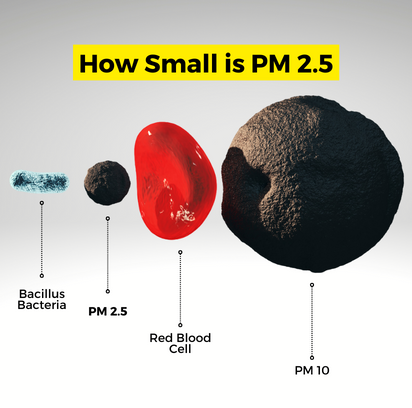
PM2.5 stands for fine particulate matter 2.5 μm or smaller. These tiny particles mainly come from burning solid fuels like coal, peat, and wood. Because they are so small, PM2.5 can get deep into the lungs and even enter the bloodstream, causing health problems.
Ireland’s average PM2.5 levels are 7.7 μg/m3. These levels are relatively low by international standards. Some European countries, like Poland and Bulgaria, have average levels over 25 μg/m3. However, Ireland’s levels are still higher than WHO’s 5 μg/m3 guideline. As a result, PM2.5 exposure in Ireland is still a significant health concern.
Learn More About the Dangers of PM2.5 Here!
Air Pollution and Depression: Study Findings
The Irish study was conducted by the Economic and Social Research Institute (ESRI) and funded by the EPA. Researchers used pollution data from 1998 to 2014. They compared this with data from the Irish Longitudinal Study on Ageing (TILDA), which surveys people aged 50 every two years. The researchers found high levels of PM2.5 were associated with higher rates of depression and anxiety, highlighting a link between pollution and depression. However, there was no link between PM2.5 exposure and other mental health issues like stress, worry, and overall quality of life.
This study adds to the evidence that even low levels of air pollution can harm health. Air pollution causes about 7 million early deaths worldwide each year. This figure includes over 1,300 deaths in Ireland. These numbers show the urgent need for action to improve air quality.
How to Improve Our Air Quality?
The study’s findings highlight the need for policy measures to reduce the use of solid fuels. Professor Anne Nolan, one of the study’s authors, said hitting clean air targets will require substantial efforts. Policies aiming to reduce pollution from industries, transport, and farming are essential. Additionally, using alternatives to coal, turf or wood for indoor heating is necessary. Local efforts, like Clean Air Night in Cork City, encourage people to reduce solid fuel use. By lighting fires later or not burning solid fuels at all, residents can help improve air quality.
Home Heating Choices for Air Quality & Health

Conclusion for Air Pollution and Depression
This new study has deepened our understanding of the health complications of poor air quality by demonstrating a clear link between pollution and depression. Policy changes and the use of cleaner energy are key to tackling this issue. Strict monitoring of air quality is also important to identify areas for improvement. At Southern Scientific, we offer air Monitoring Services as part of our environmental and planning consultancy. If you’re concerned about air pollution in your area, contact our team of experts!
Contact Us For Air Monitoring Services Today!