Some 90% of Ireland’s protected habitats are in unfavourable condition, and more than half are still getting worse. The Climate Change Advisory Council (CCAC) issued the warning in a new report this week. It says the decline leaves Ireland more exposed to flooding, drought and wildfires, and that current biodiversity funding falls far short of what is needed.
Water pollution is one of the main pressures behind this decline. Excess nutrients from farming and wastewater continue to damage rivers, lakes and estuaries. As Ireland works on its National Restoration Plan, reliable water data will show whether restoration efforts are paying off.
Table of Contents
What the Climate Change Advisory Council Found
The council’s report sets out the scale of the problem and the cost of inaction. Key findings include:
- 90% of protected habitats are in unfavourable condition.
- 51% of protected habitats are deteriorating.
- Restoration under the draft National Restoration Plan could deliver €32.9 billion in socio-economic benefits from 2024 to 2050. Estimated costs are €5.8 billion.
- The funding gap for biodiversity protection and restoration is estimated at €700 million a year.
- The National Parks and Wildlife Service (NPWS) will receive €112 million in 2027. The council welcomed this but said it is not enough.
The council listed reduced flood risk, improved water quality, carbon storage and healthier ecosystems among the benefits of restoration. It called for multi-annual funding, more investment in nature-based measures, and financial support for farmers and landowners who restore and manage habitats.
It also warned of a severe skills shortage in biodiversity conservation and restoration. It urged the Government to add these roles to the critical skills list to attract workers from outside the EU.
Where the 90% Figure Comes From
The headline figure comes from Ireland’s Article 17 report, The Status of EU Protected Habitats and Species in Ireland 2025. The NPWS publishes this assessment every six years under the EU Habitats Directive. The latest edition, published in December 2025, covers 59 habitats and 60 species. It found:
- 42% of habitats in “Unfavourable-Inadequate” status and 48% in “Unfavourable-Bad” status.
- 51% of habitats on a deteriorating trend, with 9% improving.
- A rise from 85% unfavourable in the previous report in 2019.
Agriculture-related activities affect over two-thirds of protected habitats, according to the report. Inappropriate grazing, drainage and pollution are the most common pressures. Freshwater species are also under pressure from water pollution. River habitats face damage from changes to their flow and form, as well as from eutrophication and other pollution.
Why Healthy Habitats Protect Irish Communities
The council links habitat decline to climate risk. Healthy wetlands and floodplains absorb and store excess rainfall. Coastal dunes and saltmarshes defend against erosion, sea level rise and storm surges. When these habitats degrade, communities lose a layer of protection that works alongside built flood defences.
The council also warned that rising seas and coastal erosion pose major risks to estuary and intertidal habitats. The risk is greatest where habitats have no space to shift inland.
Council member Prof. Yvonne Buckley welcomed the €715 million committed to the Office of Public Works (OPW) for flood risk management between 2026 and 2030. She called for the same ambition in restoring wetlands, peatlands and coastal habitats, stating that “nature is critical infrastructure”.
Water Pollution: A Key Pressure on Protected Habitats
Many of Ireland’s protected habitats depend on clean water. Rivers, lakes, fens, estuaries and lagoons all suffer when nutrient levels rise. Too much nitrogen or phosphorus causes algae to overgrow, which depletes oxygen and chokes habitat for other species.
The EPA’s Water Quality in 2025: An Indicators Report shows how widespread the problem remains:
- Just over half (54%) of rivers and lakes are in good or better biological quality.
- 43% of river sites have elevated nitrogen levels, many in the south and east.
- 27% of rivers had phosphate levels that were too high from 2023 to 2025.
- 31% of lakes have unsatisfactory total phosphorus levels.
- One in five estuaries and coastal waters have too much nitrogen.
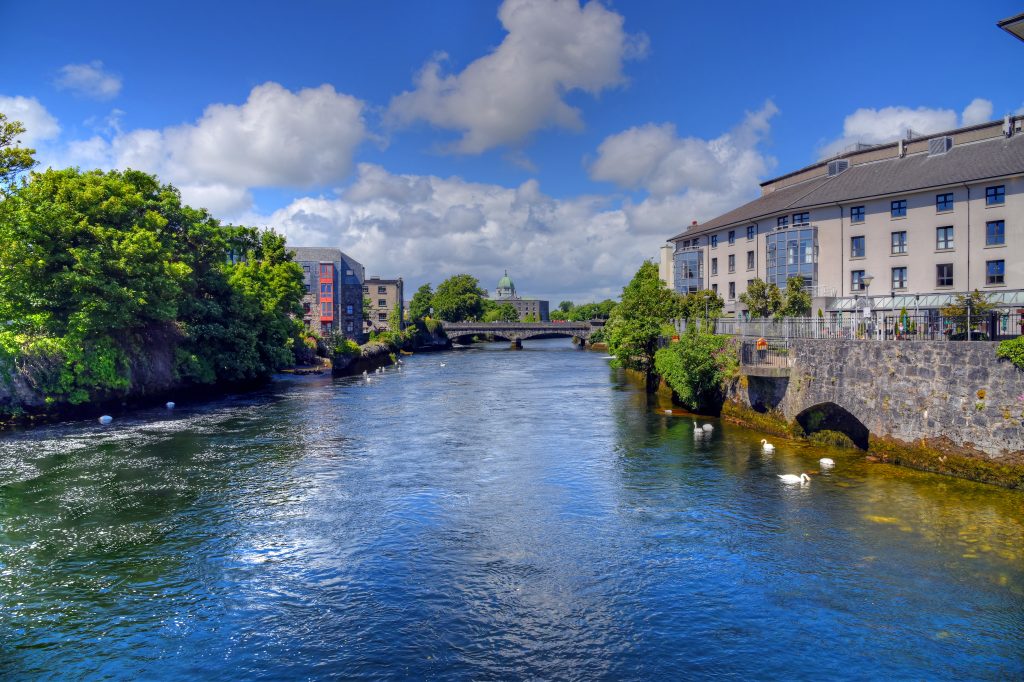
The EPA identifies agriculture as the main source of nitrogen in Irish waters. Agriculture and wastewater are the main sources of phosphorus.
The CCAC lists improved water quality among the key benefits of restoration. The link runs both ways. Cleaner water supports habitat recovery, while restored wetlands and buffer zones can trap nutrients before they reach rivers.
What the National Restoration Plan Requires
The EU Nature Restoration Regulation came into force in August 2024. It requires every member state to produce a National Restoration Plan. Ireland’s draft went to public consultation in June 2026, ahead of a 1 September 2026 deadline for submission to the European Commission. The final plan is due by 1 September 2027.
The regulation sets binding targets for habitats that are not in good condition. Member states must put restoration measures in place across at least 30% of these habitats by 2030. That rises to 60% by 2040 and 90% by 2050.
The CCAC says Ireland needs a dedicated, long-term funding programme to deliver the plan. Without it, the gap between targets and results will keep growing.
Restoration Needs Reliable Monitoring Data
Restoration costs money, and funders need proof that it works. Rewetting, buffer zones and constructed wetlands all aim to improve conditions on the ground. Water monitoring before and after these measures shows whether nutrient levels are falling.
The EPA has made a similar point. It has called on all sectors to collect and share information on which water quality measures they are using and where. This helps identify the most effective actions so they can be scaled up.
Accurate data also helps landowners, local authorities and developers meet their obligations. As restoration targets move into law, robust evidence will carry more weight with regulators and funders.
Environmental Testing With Southern Scientific
At Southern Scientific, we test surface water, groundwater and wastewater for nutrients and chemical pollutants. Our INAB-accredited, ISO 17025 certified laboratories deliver accurate, defensible results for compliance and project reporting.
We support local authorities, farmers, environmental consultants and developers who need clear data on what is entering Irish waters. Whether you are planning a restoration project or monitoring a discharge, regular testing helps you spot problems early.
Reliable data is the foundation for moving from reactive crisis management to proactive protection.